

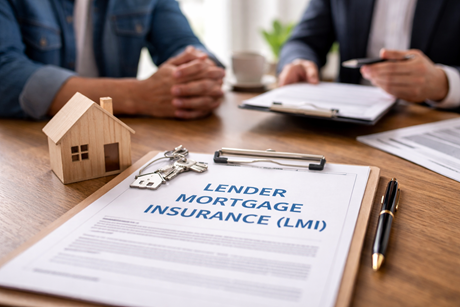
LMI — Lenders Mortgage Insurance — is one of those terms that comes up early in every first home buyer conversation, and it’s often misunderstood. Many buyers assume it’s protecting them. It’s not. And it can cost anywhere from $8,000 to over $30,000 depending on your loan.
Here’s exactly what LMI is, how much it costs, and — importantly — whether you can avoid paying it.
What Is Lenders Mortgage Insurance?
LMI is an insurance premium charged by lenders when you borrow more than 80% of a property’s value. The 80% threshold is known as the Loan-to-Value Ratio (LVR) — so if you’re buying a $700,000 home and borrowing more than $560,000, you’re in LMI territory.
The critical point most people miss: LMI protects the lender, not you. If you default on your loan and the lender can’t recover the full amount owed by selling the property, the LMI insurer compensates the lender. You still owe the debt — and the insurer can pursue you for any shortfall.
| 💡 LMI protects the lender, not the borrower. You pay the premium, but the insurance benefit goes to the bank. |
|---|
How Much Does LMI Cost?
LMI is calculated as a percentage of the loan amount — and it increases sharply as LVR rises. Here’s a rough indication of costs on a $650,000 loan:
| Deposit | LVR | Estimated LMI |
|---|---|---|
| 5% ($32,500) | 95% | $22,000 – $29,000 |
| 10% ($65,000) | 90% | $11,000 – $16,000 |
| 15% ($97,500) | 85% | $5,000 – $8,000 |
| 20% ($130,000) | 80% | Nil |
LMI can typically be capitalised — added onto your loan balance — so you don’t pay it as an upfront cash cost. However, you will pay interest on it for the life of the loan, which increases the total cost significantly.
Estimate your LMI costs using the calculator below.
🔒 LMI Estimator
4 Ways to Avoid Paying LMI
1. Save a 20% Deposit
The most straightforward route. Borrow 80% or less of the property value and no LMI applies. The trade-off is the time required to save — in major Australian cities, this can take years.
2. Use the First Home Guarantee
The Federal Government’s First Home Guarantee allows eligible first home buyers to purchase with as little as a 5% deposit — with no LMI payable. The government guarantees the remaining 15%. Income and property price caps apply, and places are limited each financial year.
3. Guarantor Loan
A parent or close family member uses equity in their property to act as a guarantor for your loan. This can allow you to borrow up to 100% of the property value with no LMI. The guarantor takes on risk — so this arrangement should be carefully considered by all parties.
4. Lender-Specific LMI Waivers
Some lenders offer LMI waivers for borrowers in certain professions — including medical professionals, lawyers, accountants and some other high-income roles. If you work in one of these fields, you may qualify for an LMI waiver even with a smaller deposit.
Frequently Asked Questions
LMI is a one-off premium paid at settlement (or capitalised onto your loan). It is not an ongoing insurance premium — though if you refinance to a new lender above 80% LVR, you may need to pay LMI again.
LMI premiums are generally non-refundable, though some insurers offer a partial refund if the loan is repaid within the first year. Check with your lender at the time of application.
Indirectly, yes — LMI allows you to purchase a property sooner with a smaller deposit. Buying earlier can mean capital growth that outweighs the LMI cost. A broker can model this comparison for your specific situation.
Most lenders use external LMI providers (QBE or Arch in Australia). The premium cost can vary between lenders, even for the same loan scenario. A broker can compare LMI costs across lenders and find the most cost-effective option.



Leave a Reply